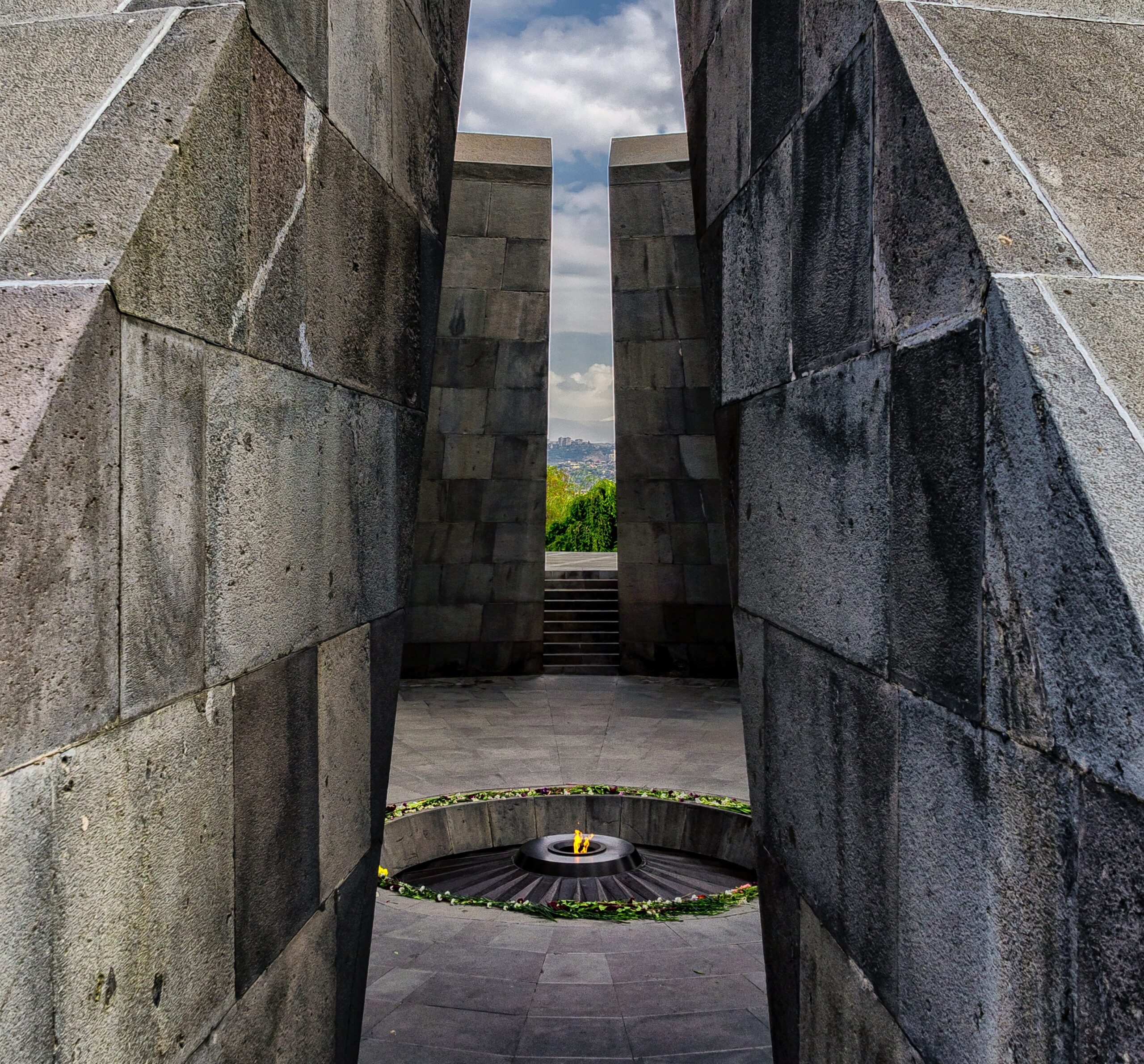

The Armenian Genocide, also known as the Armenian Holocaust, was a devastating tragedy that has left an indelible mark on the Armenian people. From 1915 to 1923, the Ottoman Empire, which is now Turkey, systematically murdered and deported over 1.5 million Armenians. This was done through forced marches, death squads, and mass killings.
The genocide began on April 24, 1915, when Ottoman authorities arrested and executed hundreds of Armenian intellectuals and community leaders in current day Istanbul. This was followed by the forced deportation of the Armenian population from their homes. The atrocities committed during the Armenian Genocide are difficult to comprehend. Entire families were massacred, and villages were burned to the ground. Women and children were raped, and many were subjected to forced labor and starvation. The Armenian people were stripped of their homes, possessions, and cultural heritage.
Despite the overwhelming evidence and international support, Turkey has refused to acknowledge the Armenian Genocide as a genocide. This denial has added insult to injury for the Armenian people and has made it even more challenging to heal from the trauma of the past.
The Armenian Genocide is a tragedy that still resonates with the Armenian people and their descendants around the world. For Armenians, the genocide is a defining moment in their history, marking a turning point in their relationship with their homeland and the wider world. The trauma of the genocide has had a profound impact on Armenian identity, culture, and politics, shaping the country’s modern history and informing its aspirations for the future.
Although the genocide took place over a century ago, it is still relevant today. The Armenian people and their supporters continue to fight for recognition of the genocide as a crime against humanity, and for reparations and compensation for the victims and their families. It is also important to remember that the denial of the Armenian Genocide by the Turkish government and its supporters is an ongoing issue that adds to the trauma of the Armenian people.
As we enter the 108th anniversary of the Armenian Genocide, it is important to remember that our responsibility to remember, share, and educate does not end with a single day. The Armenian Genocide is a tragedy that needs to be remembered and recognized every day, not just on a specific date. We must continue to educate ourselves and others about the genocide and its impact on the Armenian people and the world at large.
It is also important to acknowledge that not everyone may have a personal connection to the Armenian Genocide or Armenian heritage, but that does not mean they cannot contribute to the cause. Sharing information and spreading awareness about the genocide is appreciated and important, as it helps to raise awareness and promote recognition of the genocide. We must all stand together to ensure that the Armenian Genocide is recognized as a crime against humanity and that the Armenian people are given the justice they deserve.
Resources:
The Armenian Genocide via US Holocaust Memorial Museum
ArmenianGenocide.org
Learn about the ARTSAKH BLOCKADE
More content via SaveAstsakh.org
Action Items:
ARMENIAN ASSEMBLY OF AMERICA ACTION CENTER
Support H.Res.1351 Condemning Azerbaijani Attacks on Armenia
Protect Armenian Cultural & Historical Sites in Artsakh
Congressional Support for Pro-Artsakh/Armenia Initiatives
STOP Azerbaijan from erasing Armenian cultural heritage
Support H.Res.108 Condemning Azerbaijan’s Blockade of Artsakh